Knowledge centre
Straight answers on choosing, installing and looking after resin floors, drawn from ASP's technical data and the FeRFA guidance we follow.
Installation
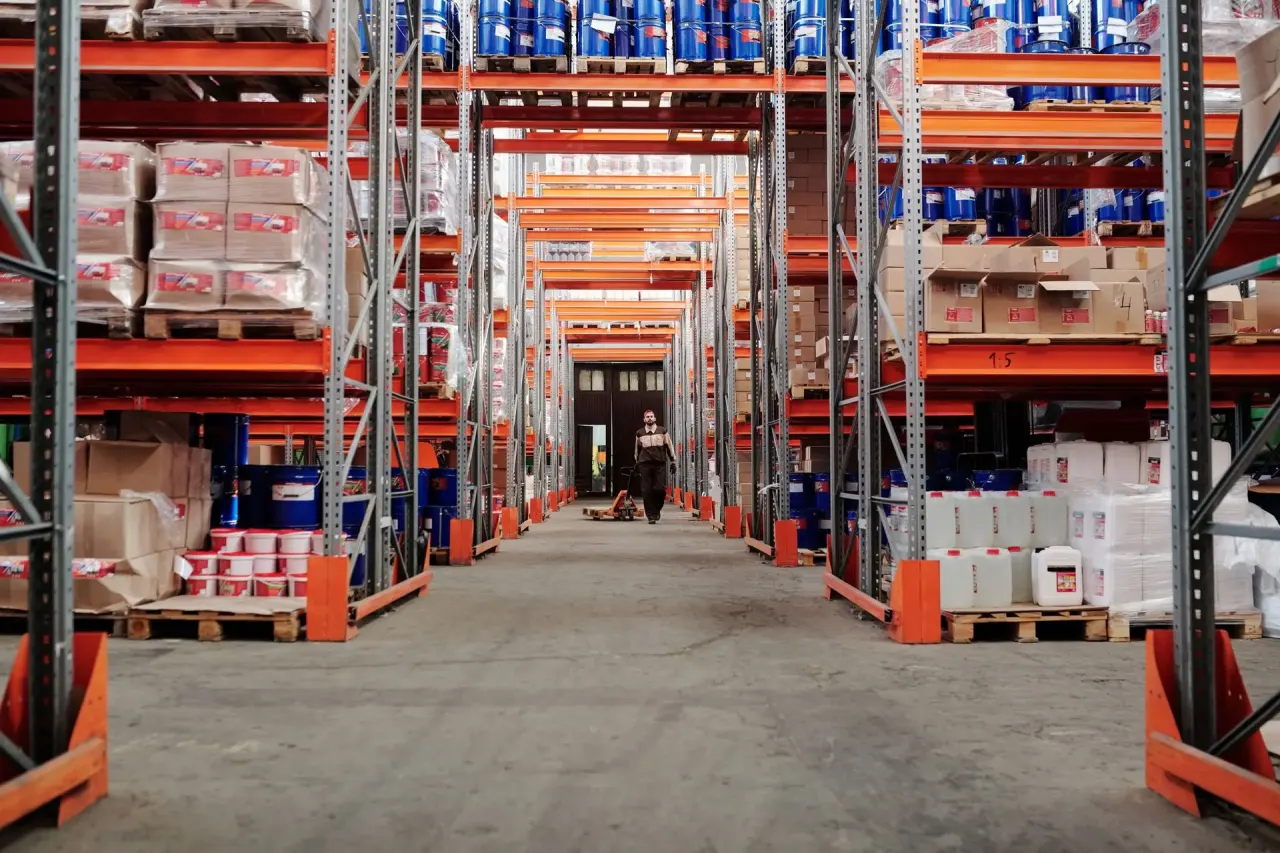 Joints, coves and drains: the details that make a resin floor last
Most resin floor failures start at joints, edges and drains. ASP recommends anchor grooves saw-cut at terminations and joints, a radius cove from floor to wall, movement…
 Preparing concrete for a resin floor
Concrete for a resin floor must be sound, with a minimum compressive strength of 25 N/mm² and tensile strength of 1.5 N/mm², free of cracks, voids, laitance, dust, oil…
 How long does a resin floor take to cure?
At 20°C, ASP's solvent-free epoxy floors take light foot traffic after 16 hours, light traffic after 24 hours and heavy duty traffic after 48 hours, with full chemical…
Specifying
 How to read a chemical resistance rating
ASP rates chemical resistance from 0 to 5: 5 means excellent, with no significant deterioration after long-term contact; 3 means unaffected after one month; 1 means…
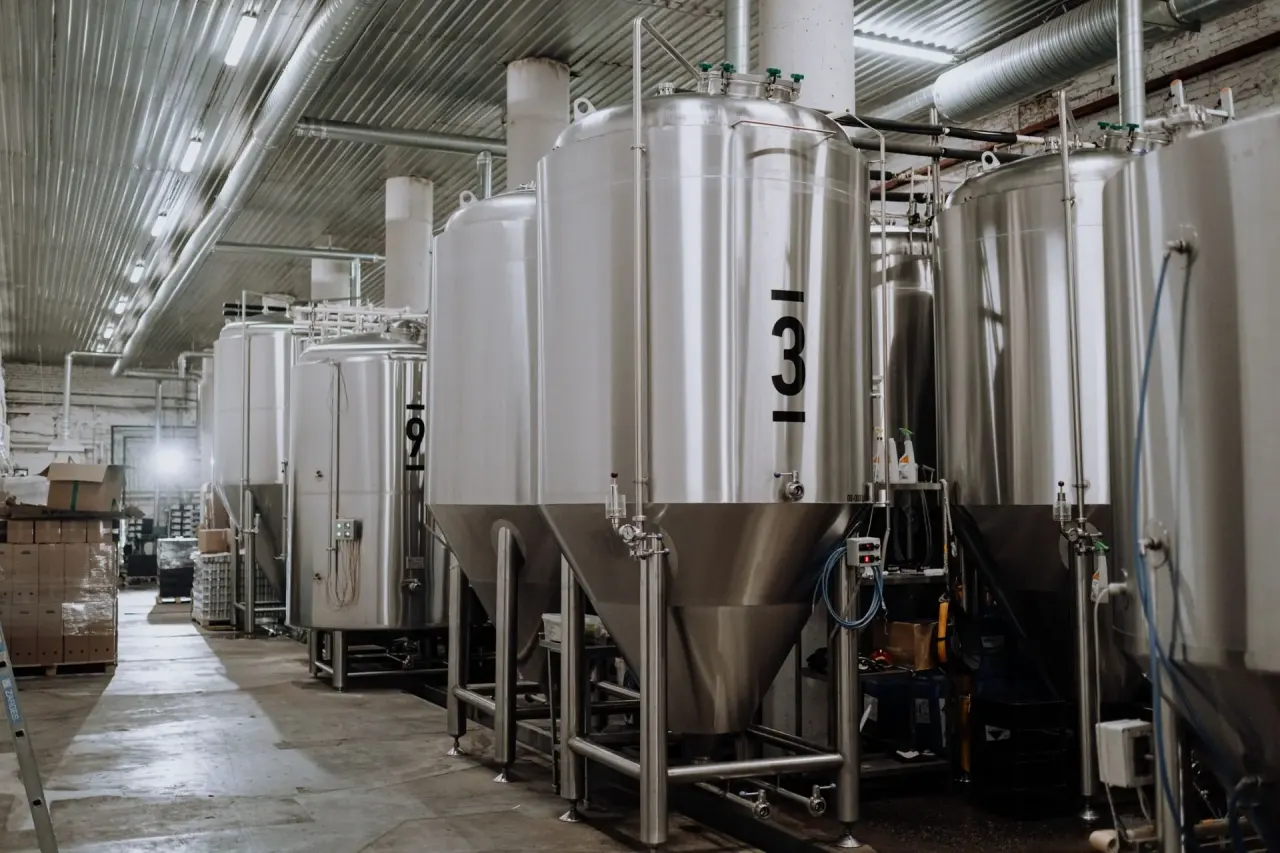 Epoxy, polyurethane or vinyl ester: which resin floor do you need?
Epoxy floors are the versatile choice for dry processing, warehousing, workshops and decorative areas. Polyurethane cement floors suit wet food and beverage areas with…
 How to choose the right resin floor for your facility
Choose a resin floor by working through the conditions it will face: traffic, temperatures, chemical contact, wet or dry service, slip resistance, hygiene and cleaning…
 The 8 types of resin flooring, explained
Synthetic resin flooring is classified into eight types, from a thin floor seal (Type 1, up to 150 µm) to heavy duty resin flooring that is trowel-finished and…