
How to choose the right resin floor for your facility
The short answerChoose a resin floor by working through the conditions it will face: traffic, temperatures, chemical contact, wet or dry service, slip resistance, hygiene and cleaning, the moisture in the substrate, the time you have for installation and curing, site conditions and budget. The right system is the one that meets every one of those conditions.
Specifying a floor is a decision that is expensive to get wrong. A floor that is too light for its traffic wears through, and one that cannot handle the chemicals or temperatures in the area will fail early. The British standard BS 8204-6 puts it plainly: there should be full consultation between the end user, the contractor and the manufacturer during design and construction, so the product selected suits the conditions both during application and in service.
The factors to consider
- Type and degree of traffic. Foot traffic, forklifts, hard plastic wheels, impact. This sets the duty class (light, medium, heavy or very heavy).
- Temperatures. Hot spillages, steam cleaning, freezers and the thermal shock of moving between them.
- Chemical contact. What will be spilt, at what concentration and for how long. Check the chemical resistance checker.
- Wet or dry service. Wet processing areas need different systems to dry storage.
- Slip resistance. Especially in wet areas and on ramps.
- Aesthetics. Foyers, retail and showrooms often call for decorative finishes such as flake or coloured quartz.
- Ease of cleaning and hygiene. Food, beverage and pharmaceutical areas need seamless, cleanable surfaces.
- Moisture content of the substrate. Most systems need concrete dry to 75% relative humidity.
- Time available. How long the area can be closed for application and curing.
- Site conditions at installation. Temperature and access on the day.
- Cost. The budget, weighed against the life expectancy of each option.
A simple specification framework
ASP's brochure sets out the process in four parts. First, list the functional needs: mechanical wear, thermal conditions, chemical spillage, slip resistance and ease of cleaning. Second, check the substrate condition: strength, levels, contamination, damp membrane and joint construction. Third, weigh the programme, the aesthetic requirements and the budget. Only then choose a suitable product.
Examples
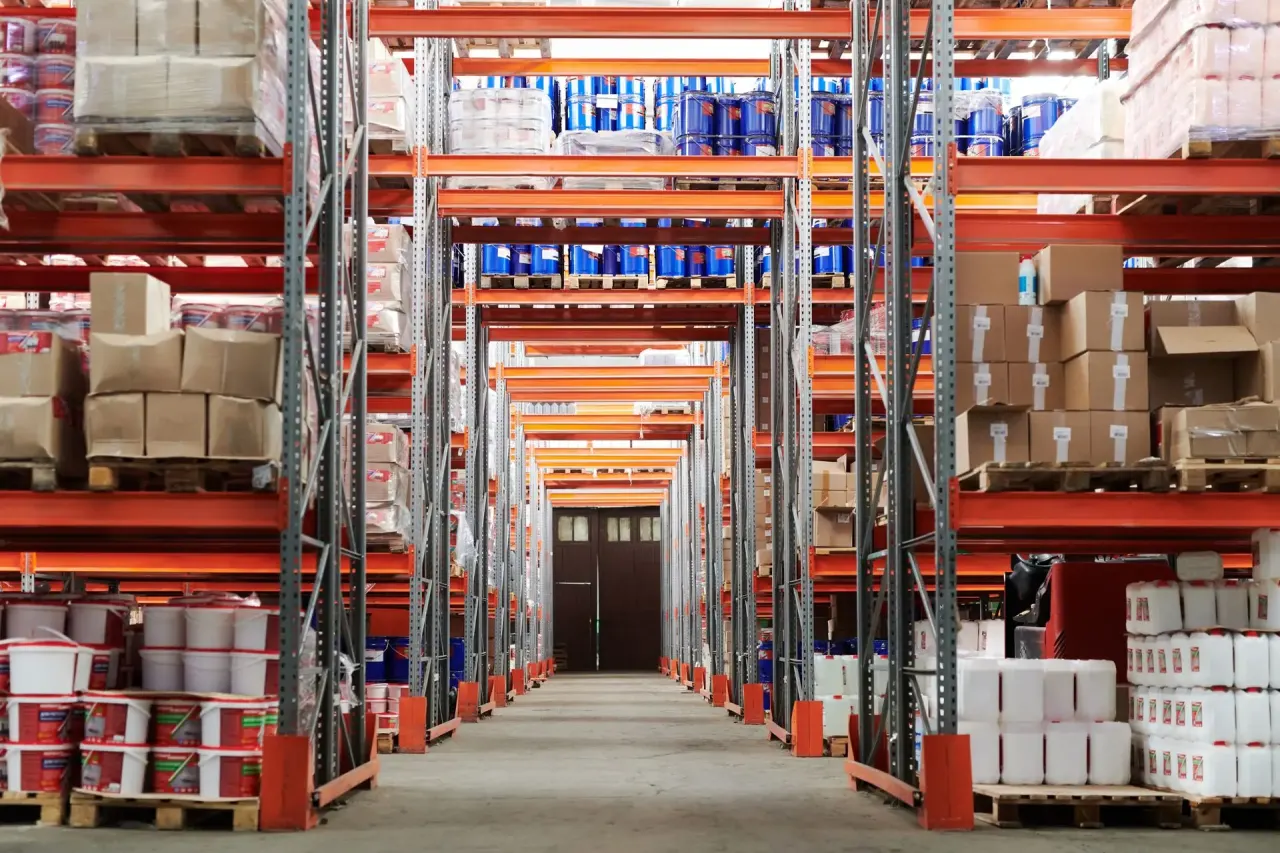
A dry warehouse with forklifts usually suits a self-smoothing epoxy such as ASP-coat1000 or ASP-coatSL. A wet food processing hall with hot wash-downs points to a heavy duty, HACCP certified polyurethane such as ASP-creteRT. Bunded chemical areas and tank farms need a vinyl ester system such as ASP-chemVE-H. A busy foyer that has to look good for years suits a decorative quartz screed like ASP-screedSTB.
Not sure where your floor fits? Use the product finder or ask our technical team, who will match the specification to your conditions.
Frequently asked questions
What should I consider when specifying a resin floor?
Consider the type and degree of traffic, temperatures, chemical contact, wet or dry service, slip resistance, aesthetics, ease of cleaning, substrate moisture, the time available for application and curing, site conditions at installation, and cost.
What is the best floor for a warehouse with forklifts?
For dry warehouses with forklift traffic, ASP specifies self-smoothing epoxies such as ASP-coat1000 (1 mm) and ASP-coatSL (2 mm), both rated for forklift and hard plastic-wheeled traffic.
Who should be involved in choosing a resin floor?
BS 8204-6 recommends full consultation between the end user, the flooring contractor and the resin manufacturer during the design and construction stages.